The connection
How stress drives Fertility and Reproductive Health
Women with high perceived stress have 29% lower probability of conception per menstrual cycle. In men, chronic stress reduces testosterone and sperm quality through identical cortisol-mediated mechanisms.
Source: Lynch et al., Annals of Epidemiology, 2014
Your body's stress map
Which systems are affected
Fertility and Reproductive Health stress typically affects these body systems. Your Stress Fingerprint™ tells you exactly which ones are elevated in you.
Why Stress Tells the Body Not Now
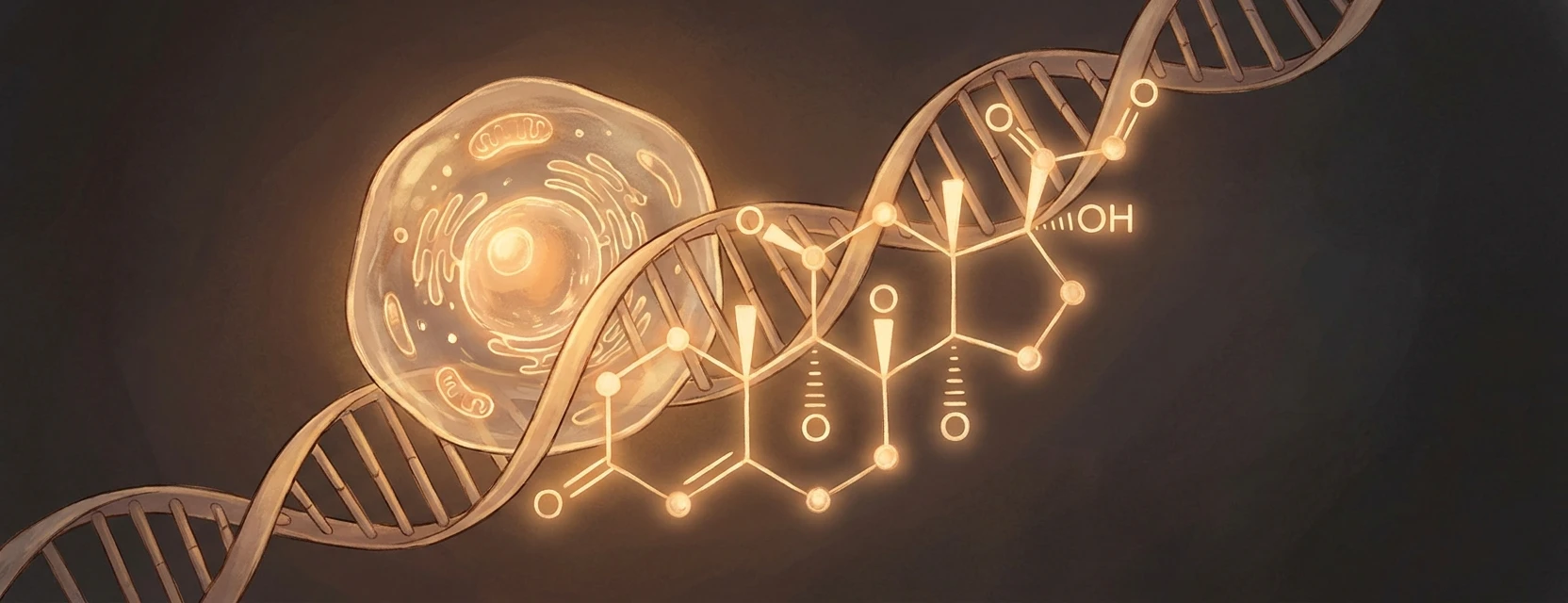
Reproduction is metabolically expensive. Evolutionarily, the body suppresses reproduction when survival is threatened — which is what chronic stress signals biologically. Cortisol suppresses GnRH and LH, reduces progesterone in women, lowers testosterone in men, and impairs egg quality through oxidative stress. Many couples find they conceive naturally shortly after stopping IVF — when the pressure is removed. The stress of fertility treatment itself sustains cortisol suppression of reproductive hormones.
Stress-Related Fertility Signals
- Irregular or absent periods during high-stress periods
- Short luteal phase — less than 10 days between ovulation and period
- Reduced libido in both partners under sustained stress
- Difficulty conceiving despite normal diagnostic results
- Recurrent early pregnancy loss
Is Fertility and Reproductive Health connected to your stress pattern?
The Stress Fingerprint™ maps exactly where stress lives in your body — across 6 systems including the ones linked to fertility and reproductive health. Free, 7 minutes.
Take My Free Assessment →42 clinically-framed questions · No login · Results in 7 minutes
Explore more
Related conditions
Not medical advice. This page is for educational purposes only. The connection between stress and fertility and reproductive health is supported by research, but this is not a clinical diagnosis. Please consult a registered healthcare professional for medical advice.